

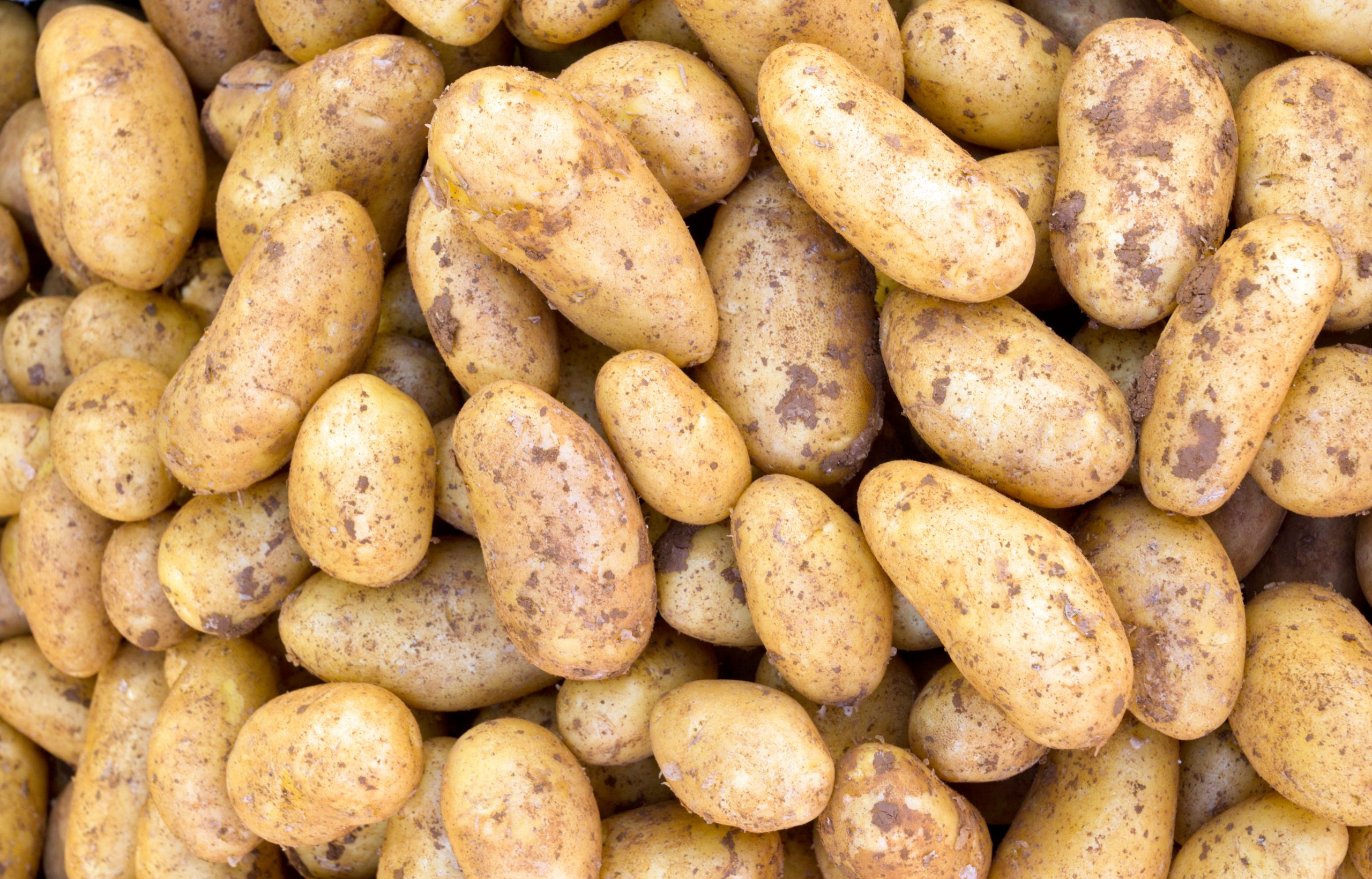
Today we’re going to look at the specifics and details on how to grow potatoes at home in your own garden. They’re not actually that difficult to grow, but they require a bit a more knowledge to get started than other plants you might try growing at home. Potatoes are an important staple to many households. They’re easy to cook, full of healthy vitamins and minerals, and they taste great too. So why not grow your own.
Potatoes are one of the most commonly purchased vegetable in the US, some studies suggest they might actually take the number one slot! This is simply due to their many amazing properties. First and foremost, they store well. This is premium benefit for any crop grown at home or farmed for sale. Next up they are packed full of calories, so they easily becomes a major player in filling out a meal. Additionally they come in a wide variety of forms each with subtle, but powerful characteristic difference.
The Basic Conditions for Planting Potatoes
Potatoes, while easy to grow, are a bit of an unusual plant. For gardeners who don’t have much experience with root vegetables, potatoes are good first step in gaining that experience. Unlike carrots or other underground harvests potatoes are a very adaptable plant and tend to always produce something even if your conditions are not perfect.
That being said we want to ensure the best conditions for our potatoes to grow so that we can get the best yield out of our crop. Like most vegetables that are harvested from the ground, potatoes like a light loose soil to grow in. Too compact and the potatoes will have trouble growing. They can tolerate fairly acidic soil too preferring anything between a pH of 5 and 7.
The biggest issue with potatoes is that they are nutrient greedy. Sure you can get great crop of potatoes one year, but you need to avoid planting them in the same soil again in subsequent seasons. It’s actually best to give them a few year rotation cycle on potatoes because they can take so much out of the soil. Luckily we can replenish that with compost, fertilizers, and other basic home gardening practices.
As a final note on potatoes before we get into specifics, there are many varieties of potatoes you can grow and they all have slightly different requirements and growth conditions. The biggest differences you will find between varieties is the time it takes for them to reach maturity.
Most potatoes are early maturity crops, ready in about 80 days, but certain less common varieties can take a whopping 160 days to grow! Because of this we encourage you to also look into the variety of potato before you plant if you happen to know the type you have on hand. Luckily, most other details, from soil to watering, are roughly similar between every variety.
Soil Conditions for Growing Potatoes
As we’ve stated earlier, potatoes like a loose, sandy, well drained soil. While they can tolerate an acid soil the ideal pH is between 6 and 6.5 and should be tested with a simple home pH kit before you plant. Potatoes like a well composted high organic matter soil as they are quite greedy.
If you are fertilizing your soil, potatoes need a nitrogen rich fertilizer. You can use a 5-10-5 or even up to a 10-10-5 NPK fertilizer depending on the needs of your soil, though you may not need additional fertilizer for your soil if you keep it well maintained and rotated. If you are fertilizing your potatoes they will ideally take 1.5 pounds of fertilizer for every 50 square feet of garden space.
Growing Temperatures and Climates for Potatoes
Potatoes grow best between 60-70F (15-21C). Temperatures above 80F (26C) are too hot for potatoes and can slow or even halt their growth. Despite their aversion to the heat, they are a big fan of being planted in places that get direct sunlight. Potatoes, like other root vegetables, do well in warm (not hot) days and cool nights.
Because of these types of requirements the planting and growing seasons for potatoes may change as you enter regions with hotter summers. Some northern locals may rarely peak above 80F (26C) and because of this have a longer window for growing and harvesting potatoes.
Planting Potatoes
When you plant potatoes, you actually plant potatoes. The potatoes themselves are what we use to propagate the plant. However, a single potato is capable of growing many potato plants. Because of this we cut potatoes into smaller chunks for planting.
Cutting Potatoes for Planting
They best way to get the most out of a potato is to cut it, typically into 2-4 segments, each with an eye, and then leave those to callous for up to 5 days. The callousing process is just the drying of the cut area which can help prevent rot when you plant them in the ground. Be careful not cut the potatoes into pieces that are too small or they won’t have the energy they need to start growing. The ideal size will be segments that are about 2 square inches containing 1-2 eye buds.
Alternatively you can plant your potatoes whole, but it is not advised as this method often leads to crowded stems and smaller potatoes in your crop.
When to Plant Potatoes
Potatoes can be planted in early spring as soon as the ground is ready to be worked. While you can plant them earlier than a lot of other crops the plants themselves wont grow until the soil is consistently above 45F (7C). A couple cold days could delay your potatoes from growing so try and ensure the early spring weather won’t slip back into a frost or cold snap right after you plant your potatoes. The best thing you can do is know the weather for your region and plan around historical temperatures over the last 5 years.
Soil Depth and Potato Planting Process
To start planting your potatoes begin by making a trench in your garden or raised bed (either work fine) about 6-8 inches deep. Plant the potatoes cut side down with the eyes facing up ever 10-15 inches and space your rows 3 feet apart. Cover the potatoes with 4 inches of soil and let the plants grow.
Growing Potato Plants after Planting
Once you get the potatoes in the ground you’ll need to take care of them to ensure they grow healthy. Watering properly is important like with any plant, but potatoes also need you to keep up with their soil as they grow.
Hilling Soil on Your Potatoes
As your potatoes grow you will cover them with additional soil periodically, the goal being to always keep about 4 inches of the potato plant above the soil. A good system for this is to wait until the plants grow to eight inches in height, then cover 4 with new soil and repeat. Over the season you will do this a few times, but different growing methods, such as barrel growing or slat bed growing, will have you do this more times over the course of the season.
An important note about hilling soil and poisonous potatoes: never let your growing potatoes be exposed to the sun. If you don’t keep up with adding soil your potatoes may pop up from the ground and with sun exposure can turn green. Green potatoes are not safe to eat and should be discarded.
Watering Potatoes
Potatoes need a fair amount of water to grow and the soil should be soaked once or twice a week to ensure you get the best potato growth. If the soil is too dry you can end up with knobby, hard, or “hollow” potatoes. The sandier your soils is the more frequently you will need to water and vice versa.
If you are unsure how much water is too much for your particular soil you can always check with a spade by seeing how far down the moisture travels on a test patch. In sandier soil you can get an inch of water to soak up to about 10 inches deep, but that water will also disappear more quickly. Just be sure that the water is traveling down to the lower reaches of the plant and you’ll fine.
Over watering can be as much of a problem as under watering. If you over water you can leave your plant more susceptible to disease. Soaking the plant deeply twice a week is the upper limit for what you want to do in most normal soils.
Weeding Potato Crops
Because potatoes are a nutrient greedy crop we gardeners need to keep any competitors out of the garden bed. Weeds can be especially harmful to your potatoes as they are often also greedy plants. Weed and cultivate your soil often to prevent any roots from taking hold that could steal good soil from your potatoes. If you have a home garden that is moderate to small you should check the garden daily. For larger homesteads we advise weeding weekly as feasible for best results.
When cultivating your soil to prevent weeds make sure you are doing so in only a shallow manner. Deep cultivation could disrupt your potatoes and harm their growth.
Additionally, when adding soil to your potatoes do not add soil that had just had weeds growing in or had aggressive weeds tilled into it. This will only make your job harder when you hill soil upon your potatoes that needs more constant weeding.
How Long do Potatoes Take to Grow?
Most varieties of potatoes take around 80-100 days to fully grow and mature, depending on variety and region. If you would like to harvest small potatoes specifically, they will be ready for harvesting in closer to 70 days, or ten weeks.
If you’re not keeping very close track of when you planted your potatoes and would like an indicator of when they are ready to harvest, you can watch for flowering. Small potatoes will be ready two weeks after the vines have flowered and full grown potatoes will be available for harvest once the vines have died back. Dead vines are a good indicator that the potatoes lurking beneath the surface have grown as much as they are going to.
Harvesting Potatoes from Your Garden
Now that your vines have died back and dried it’s time to harvest. For this, you simply dig up your potatoes. If you have a small crop, this is best done by hand to avoid damaging any of the potatoes, but in a larger crop using a pitchfork or shovel might make for quicker work while slightly increasing your losses. Sort out any damaged potatoes for immediate use and be sure to discard any green potatoes you find close to the surface.
Do not store damaged potatoes with the rest as they will quickly spoil the lot.
Storing Potatoes After Harvest
Once your potatoes come out of the ground spend some time lightly removing dirt from them with a soft brush. While you can store your potatoes with dirt still on them, it offers more chances to introduce potential sources of early rot to the bunch. Do not wash your potatoes before storage as it can lead to early rot.
Before you put your potatoes in storage you may want to check if they are ready. If you can easily brake the skin of the potato by lightly rubbing it with your thumb, you may want to place the potatoes in a warm 60-65F (15-18C), well ventilated, and dark area for several days to cure. This allows the potato skin to set and harden before you move them to cooler storage and can increase their overall shelf life.
Potatoes should be kept in a dark, cool, moist place. Contrary to the popular belief of many, potatoes store best in the fridge, especially if you have a humidity controlled draw for them. Ideally potatoes are stored at 32-40F (0-4C) and kept at 95% humidity.
Falling short of ideal conditions, potatoes keep well in many areas of the home. Root cellars are nice if you have them, but under the sink works just a well though they wont keep nearly as long as ones stored in the fridge.
While potatoes will keep longest in the fridge, cold temperatures cause potatoes to develop into sweeter spuds. This can be great for some things, but if you grew potatoes for frying, sweeter potatoes can burn or darken faster in the fryer. If you plan on frying your potatoes it is a good idea to store them at 40-50F (4-10C) instead which will keep them a little less sweet and better for frying.